Embedding zero-waste and circular economy strategies into national climate policies and strengthening the partnerships necessary for their implementation were among the key recommendations from *The Plastic Horizon: Ambitions, Gaps, and the Road Ahead in the Western Indian Ocean, produced by the Charles Telfair Center think tank—an initiative of Charles Telfair Education—with support from the Australian High Commission’s Direct Aid Program (DAP) and in partnership with Curtin University.
The dialogue, held on August 26 at the Royal Green in Moka, was designed and moderated by Olga Biegus, an independent environmental policy specialist. The event brought together Professor Atiq Zaman of Curtin University, an international expert on zero-waste strategies, and Grégory Martin, an expert in ecological transition and founder of Mautopia, to discuss solutions to plastic pollution in the western Indian Ocean.
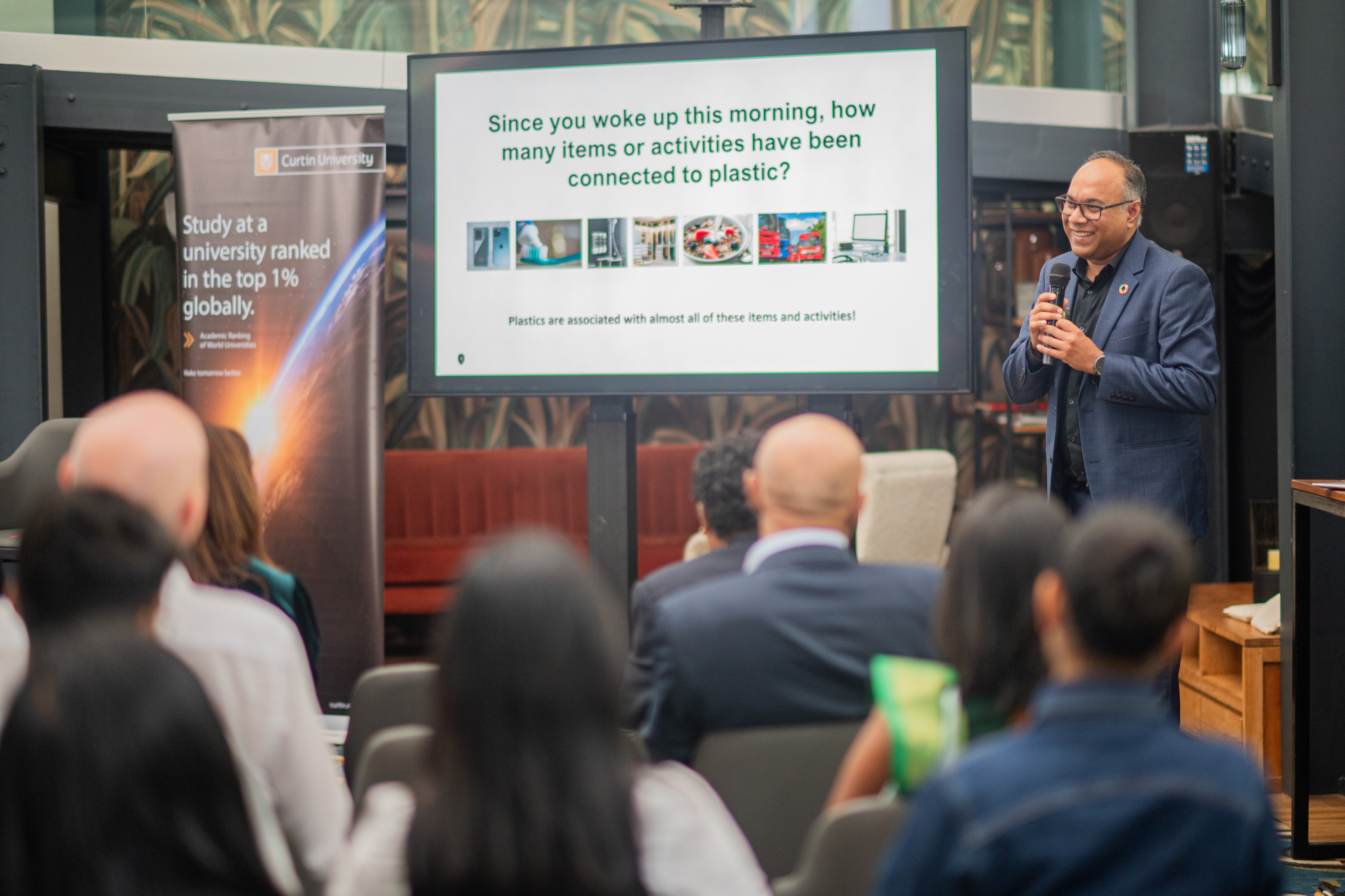
Plastic pollution poses one of the greatest threats to marine ecosystems: 11 million metric tons of plastic end up in the ocean each year. Her Excellency Kate Chamley, Australia’s High Commissioner to the Republic of Mauritius, emphasized the urgency of the situation. “Plastic pollution is a major challenge for island nations. Visible in our oceans and along our coasts, it threatens biodiversity, harms marine life, and affects communities that depend on the sea. “Mauritius has already taken significant steps to reduce single-use plastics. As a member of the High Ambition Coalition to End Plastic Pollution, Australia is proud to support this initiative and contribute to sharing expertise to advance concrete solutions in our region,” she emphasised.
This threat is even more acute for small island developing states (SIDS) in the western Indian Ocean. Recent studies show, in particular, that the Indian Ocean has become one of the main “sinks” for plastic waste. For SIDS, in addition to the environmental dimension, this also represents a socioeconomic challenge. By contributing to the decline of coral reefs, plastic pollution directly impacts the blue economy and the tourism sector—two economic drivers for SIDS.
Addressing the plastic issue is therefore a cross-cutting priority for the region. This meeting highlighted, in particular, the need to implement strategies to reduce our dependence on plastic. “The goal is clear: reduce the flow of plastic at the source, manage existing stockpiles, and ensure that incoming plastic reaches the end of its life under the best possible conditions,” says Grégory Martin, Director and Founder of Mautopia.
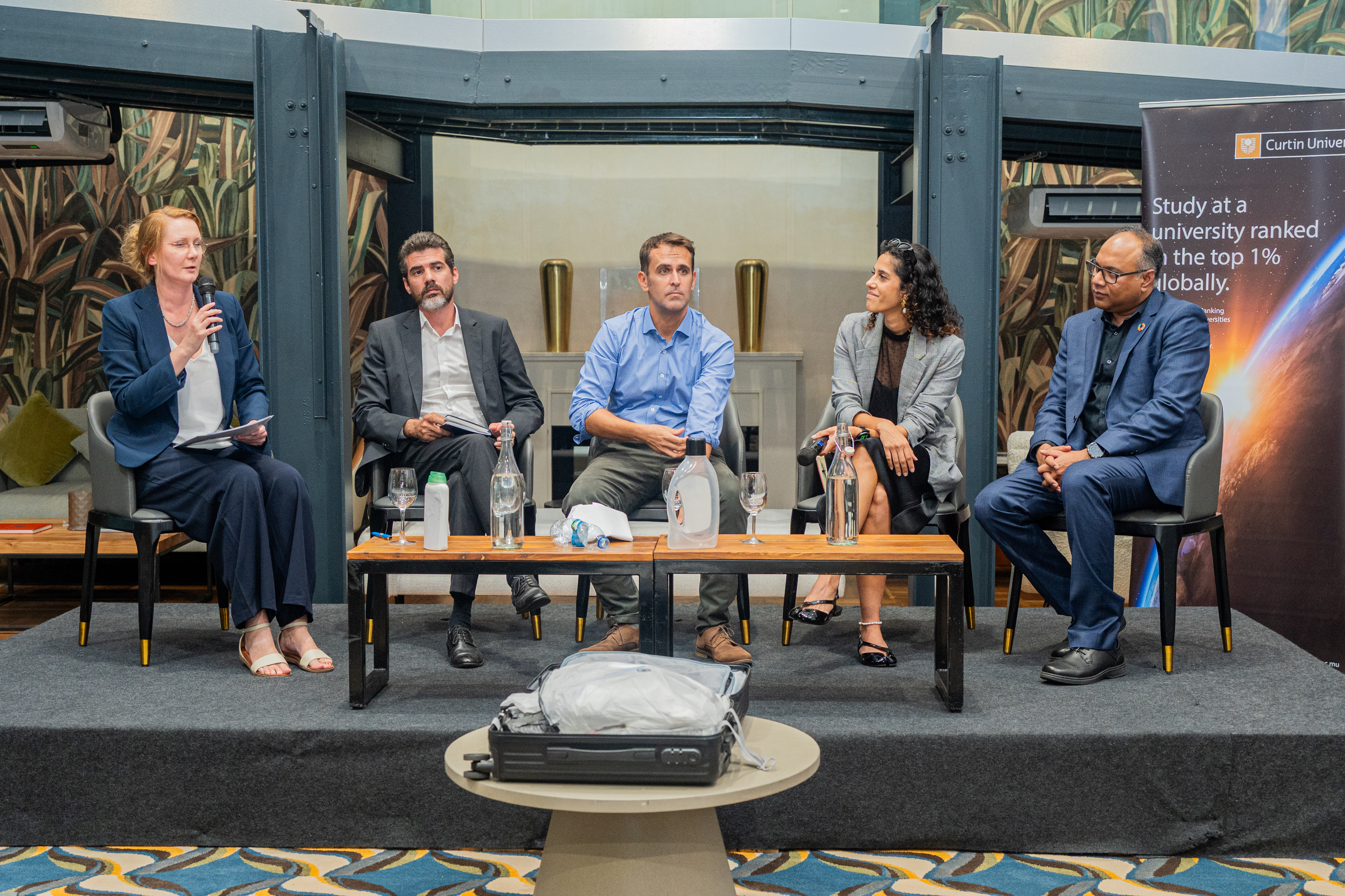
Several initiatives launched across the country demonstrate that this goal is indeed achievable. However, a lack of cross-sector collaboration, high costs, and a lack of funding—as well as deeply ingrained habits among the population—are all factors that are hindering the transition to a plastic-free world. According to Dr. Zaman, “it is imperative to think beyond waste management and recycling to implement systems and products designed for reuse.”
Dr. Myriam, Head of the Charles Telfair Center, adds: “The fight against plastic pollution requires a circular and collaborative approach. Through this event, the Charles Telfair Center is committed to supporting institutions, businesses, and citizens in adopting a new way of thinking and taking concrete actions toward truly sustainable plastic management.”